How to Trade the GBP/USD Currency Pair?
Author: Igor Sayadov
Dear Clients and Partners,
GBP/USD (Great Britain pound vs US dollar) is a major currency pair, which means it is one of the main and liquid Forex assets alongside EUR/USD, USD/CHF, AUD/USD, USD/JPY, and others. There is evidence that it takes from 12% to 17% of the total market trade turnover.
The base currency is the British pound and the quote one – the US dollar. This means that when the pair is growing, the pound is getting stronger while the USD is weakening.
Many call the British pound one of the most aggressive currencies in the financial market, and this is what creates high volatility in the pair. The behavior of these quotations is often unpredictable; they create a lot of false breakaways of support/resistance levels on the chart.
In this article, we will speak in more detail about the history of the pair, describe the factors that influence its behavior, and suggest a simple trading strategy.
Short history of GBP/USD
The full name of the British national currency is the sterling pound. The history of the currency dates back to the year 775. As long as the relationship between Britain and its colonies was developing, the necessity to pay for goods and overseas transportation emerged.
One version of where the name “sterling pound” comes from the method of coinage at those times. They used silver, and 1 pound of silver produced 240 coins. They started being called “sterling”, and this term was officially accepted for the currency in 1694.
As for the GBP/USD pair, its second non-official name – Cable – is derived from a real cable stretched along the bottom of the Atlantic Ocean for uninterrupted exchange of the pair’s quotations.
Now let us switch from history to the meat.
What does influence the GBP/USD quotations?
The main driver of GBP/USD behavior is macroeconomic data and indices from Great Britain. However, there are two more factors
- The general situation in the currency market
- The difference between interest rates in Great Britain and the USA.
The credit and monetary policy of the Central bank of England is the key element that forms the pound quotations in the world currency market. After Brexit, the CB took some measures for the stabilization and restoration of the GBP rate in the global market, which are still active.
The main “leverage” of the BoE for controlling the GBP rate is the interest rate decisions. When the rate increases, the pound gets stronger. When the rate declines, the British currency weakens.
Other economic events from the Foggy Albion influence the GBP/USD rate as well. Among them such things as:
- GDP information, published once in 3 months;
- The Consumer Price Index. It demonstrates the inflation rate that directly influences the decision on the key interest rate;
- The number of unemployment claims;
- The PMI.
How to trade GBP/USD?
To work successfully with the pair, you need to figure out and understand its peculiarities, including the period of its peak activity.
The average daily volatility level is 100-140 points. Trade is most active during the American and European trading sessions.
To trade GBP/USD, any type of analysis and signals will do – from simple fundamental analysis to technical indicators.
The most passive period for the pair is the Asian session (because in Europe, it is night) – at that time, volatility remains within 30 points.
Most often, the British pound behaves unpredictably and/or ambiguously: it might drop when everyone expects growth, and vice versa. The price might react to some news immediately but also might lag and do it gradually.
Trading GBP/USD by fundamental analysis
We have already discussed the main economic events that influence the currency pair. The trader only needs to check the economic calendar accurately and remain in course of the main economic events from Great Britain and the USA.
The high volatility of the pair might further increase when certain economic news is published; at such times, be extra attentive and do not dismiss the idea of using Stop Losses. To trade GBP/USD by fundamental analysis you can use both short-term (intraday) and medium-term strategies.
Example
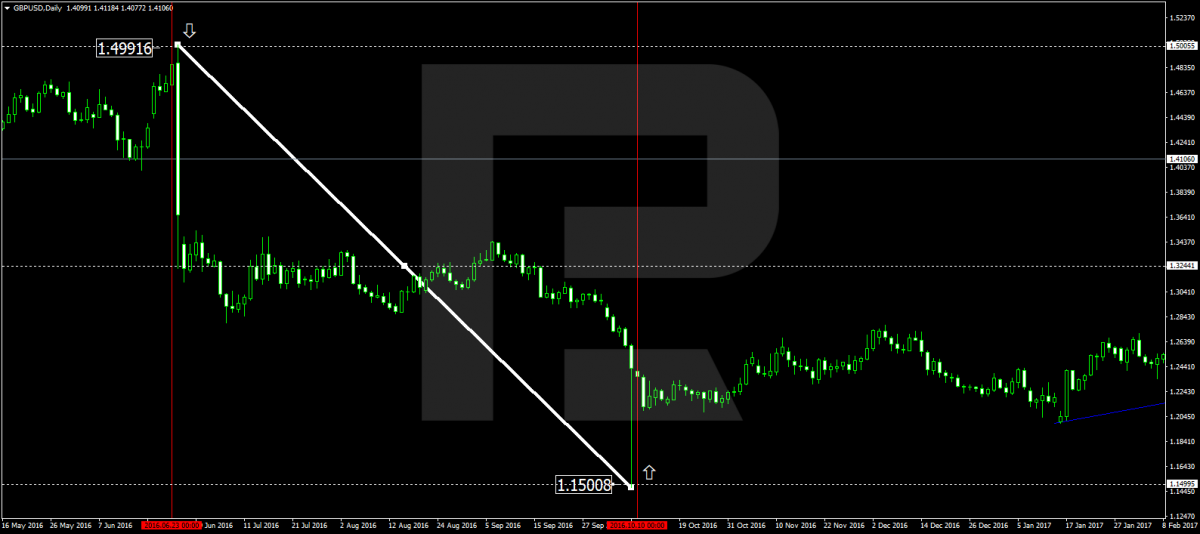
Check the chart of the pair at the moment when Brexit was announced on June 23rd 2016.
The falling started right after the referendum and lasted for 3 months. The market slumped by over 4,000 points.
Read more at R Blog - RoboForex
Sincerely,
RoboForex team